What to Expect During a Home Inspection: A Homebuyer's Complete Guide

Article Summary:
If you’re a real estate agent, make sure to also check out our related blog on what realtors can expect during a home inspection.A professional home inspection is a buyer’s best move to protect their investment. It re...If you’re a real estate agent, make sure to also check out our related blog on what realtors can expect during a home inspection.
A professional home inspection is a buyer’s best move to protect their investment. It reveals structural, electrical, or safety-related issues that might otherwise go unnoticed during showings. As Investopedia reports, insights from a home inspection can strengthen your negotiating position, enabling you to request repairs, ask for closing cost concessions, or even walk away under your inspection contingency.
Adding optional services such as mold or radon testing can uncover health risks and provide deeper long-term understanding.
1. Scheduling and the Inspection Setup
Timing Is Key: You typically schedule the inspection after your offer is accepted but before the closing. As the buyer, you’re responsible for hiring and paying the inspector, though it's sometimes negotiable.
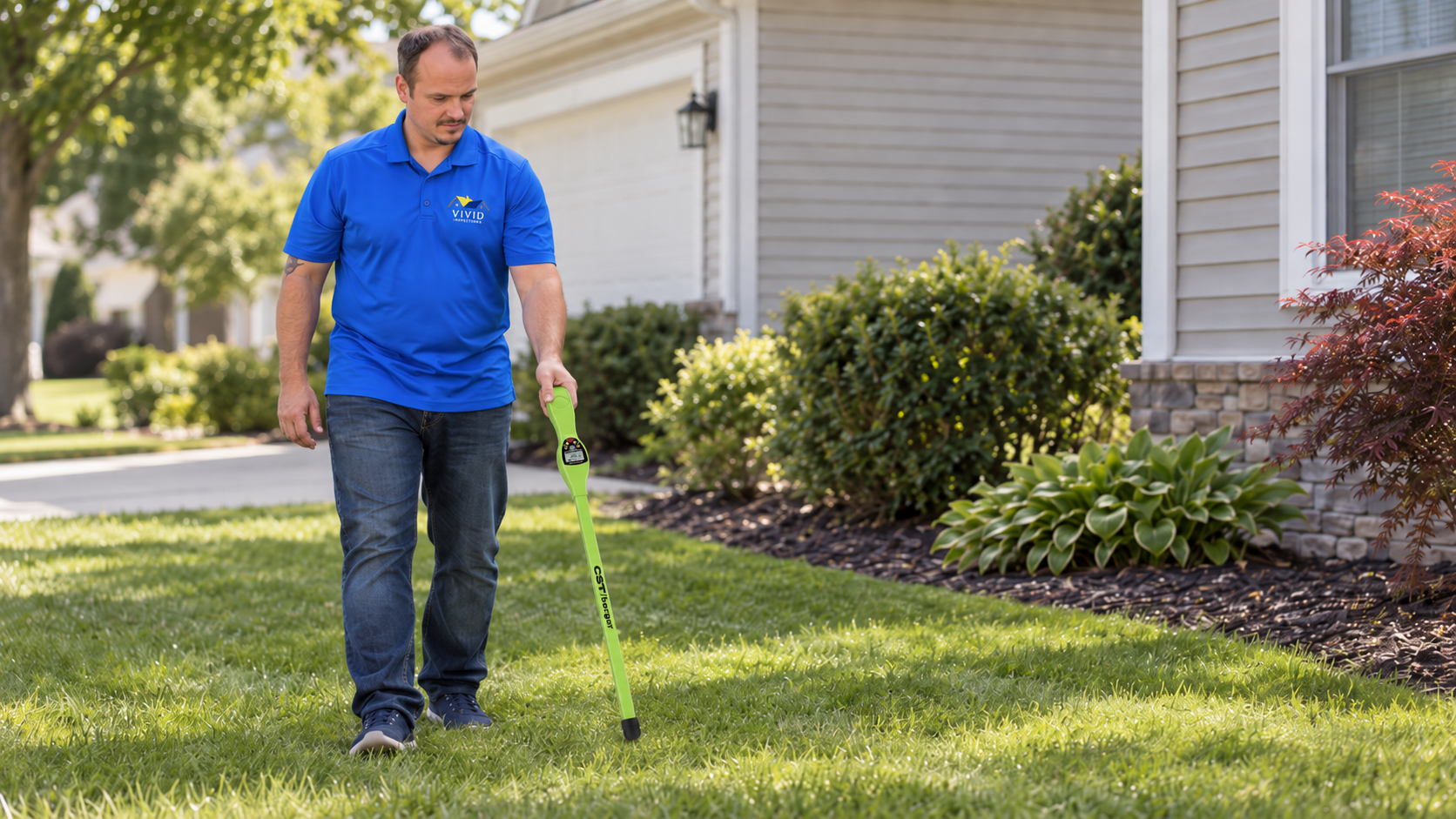
Cost Expectations : The average cost ranges between $400–$600, depending on property size, location, and complexity. Adding health tests (such radon or mold) or checking key features to avoid surprise repairs (such as sewer scope inspections) will add cost, but also help you plan better for the safety and longevity of your home.
2. A Buyer Benefit: Attending the Inspection
It’s highly advisable for buyers to be present during the inspection:
Benefit from real-time explanations, from structural oddities to system functionality.
Ask questions directly rather than relying solely on your agent.
3. What Inspectors Actually Do
Scope & Limitations
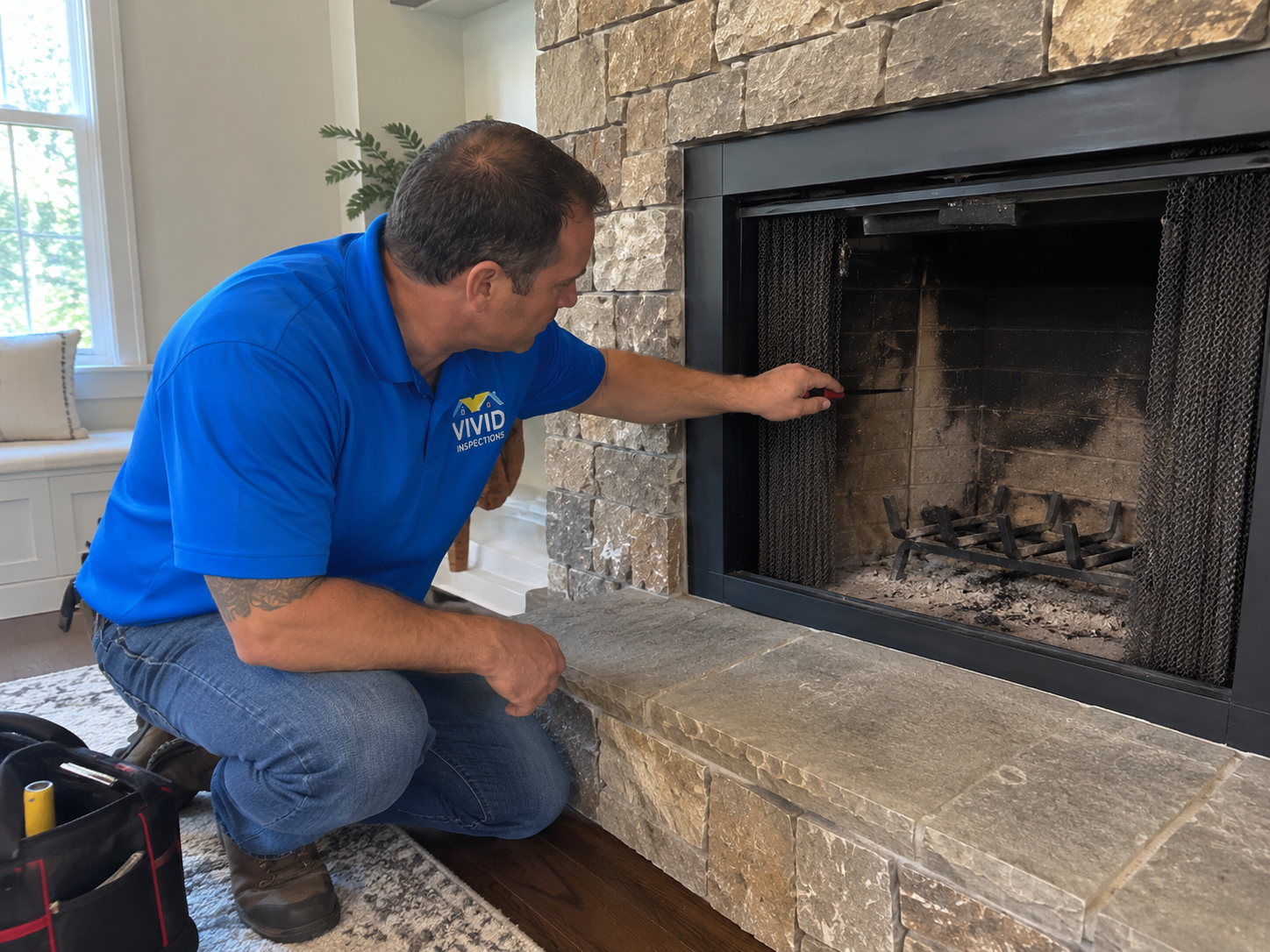
Home inspections are visual and non-invasive. Inspectors examine what’s accessible and visible. They don’t perform wall demos, skip behind appliances, or conduct invasive tests.
There is no pass/fail judgment, just observations of current conditions.
Detailed Inspection Areas
Here are some typical inspection areas, although requirements can vary by state:
Roof & Attic: Condition of shingles, flashing, gutters, skylights, roof structure, and attic insulation/ventilation. Tools like ladders, drones, or pole cameras may be used.
Exterior: Siding, trim, windows, drainage, patios, decks, driveways, and grading.
Structure: Foundation and crawlspaces are inspected for cracks, water damage, settlement, and stability concerns.
Systems:
Plumbing: Water heaters, faucets, drain lines, and waste plumbing. Shut-off valves are also checked but not operated.
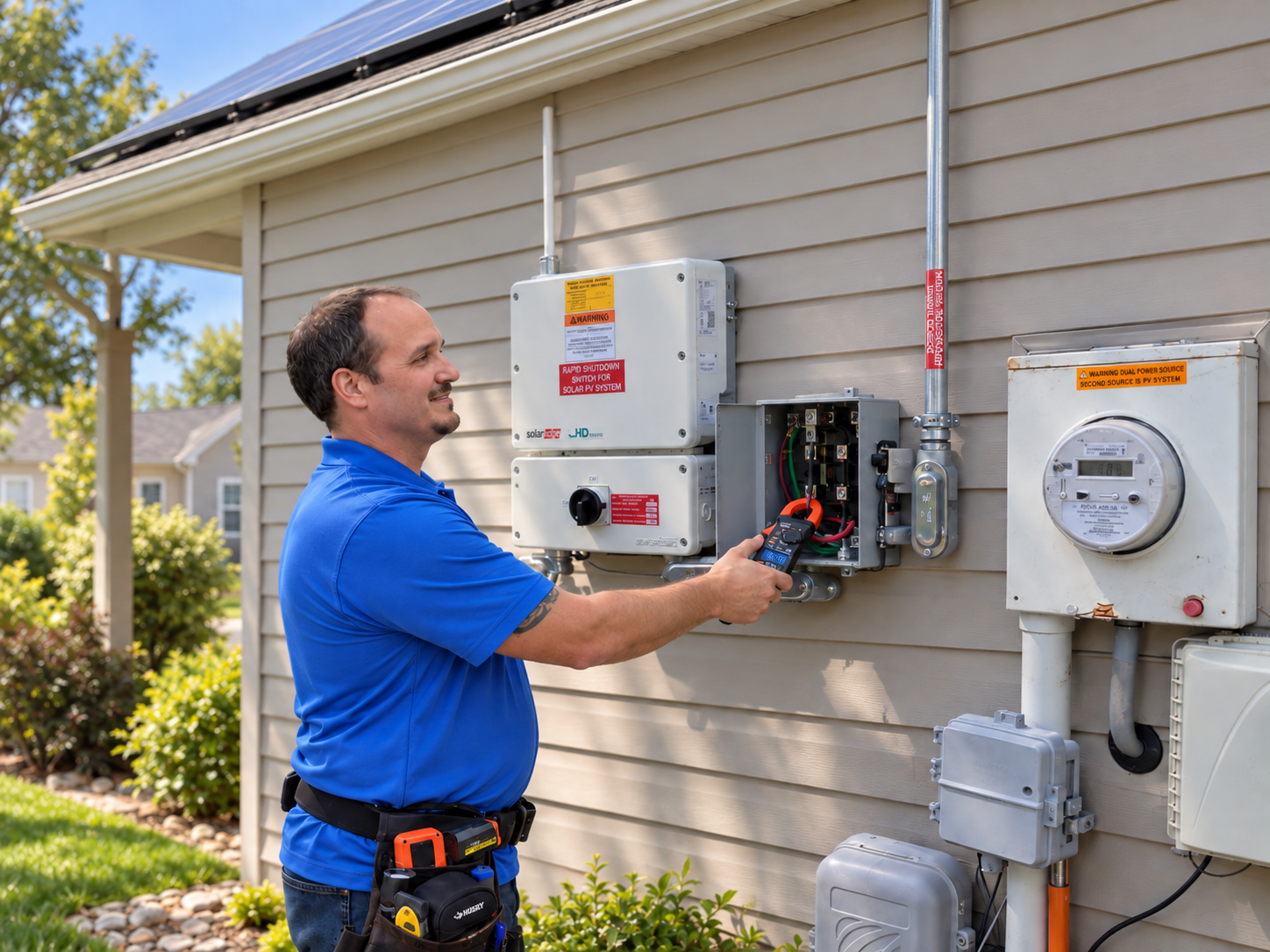
Electrical: Grounding, receptacles, switches, safety devices (GFCI/AFCI), smoke/CO alarms. The panel is inspected, but breakers that are off will not be turned on.
HVAC (Heating/Cooling): Equipment age, condition, operation, and thermostat functionality.
Interior Components: Floors, walls, ceilings, stairs, railings, doors, windows, and garage systems.
Optional Extras (Add-Ons)
Beyond the standard walkthrough, inspectors may offer a variety of additional services. These can help with understanding even more areas of the home and reducing the risk of discovering unexpected, costly repairs later on. Popular categories are outlined below.
Health, such as mold, asbestos, air quality, and water quality tests
Environmental, such as inspecting for wood-destroying organisms and radon
Additional Fixtures, such as pools, spas, irrigation systems, and decks
4. After the Inspection
You’ll receive a detailed report, typically with photos, severity markings, and notes, including both minor and urgent concerns.
Use it to:
Understand Your New Home: Even seasoned homeowners may be moving into a place that has systems different from those in previous homes. For example, tankless water heaters need different maintenance than those with tanks.
Budget for Repairs: Every home will need repairs and replacements at some point. Knowing how old your HVAC system and other mechanicals are will allow you to plan for the timeframe when you can expect to need a replacement.
Negotiate Repairs or Price: Occasionally, home inspections will uncover issues that weren’t factored into the listing price. You can ask forrepairs, credits, or even a home warranty based on findings.
Walk Away: Although it’s rare, serious issues can emerge, such as identifying severe structural issues with the home. If your contract has an inspection contingency, this gives you peace of mind since you can back out.
5. Prepare to Get the Most Out of It
Before the inspection:
Bring a list of questions or concerns and use a notebook to jot down insights.
Dress comfortably, with closed-toe shoes if you’re interested in seeing crawlspaces or attics with your own eyes.
During the inspection:
Let the inspector focus with minimal distractions to ensure the best report.
Aim to save more complex questions for the end of the inspection.
Avoid bringing too many friends and family members, since questions from all sides will slow down the inspection and can make some inspectors feel overwhelmed.
Don’t worry about having to think of everything in the moment. You can always call or email your inspector afterward.
Afterward:
Leverage your report wisely—understand what needs addressing immediately versus what can wait.
If anything in the report is unclear or you want more context, contact your home inspector for help.
6. Biggest Red Flags Inspectors Find
Keep in mind that even the red flags below aren’t automatic deal breakers. Many can be fixed on a timeline that will still allow you to move into your new home on or near the original closing date. You can also work with the seller to have any major issues repaired before closing or negotiate down the sale price so that you have money to allocate to repairs after closing.
Foundation problems: Major cracks in beams, structural shifts.
Electrical hazards: Knob and tube or aluminum wiring, overloaded panels, recalled electrical panels, or exposed wiring.
Plumbing: Lead or galvanized water supply lines, outdated clay pipes, severe water damage.
Mold or moisture issues: Musty smells and staining can indicate deeper water intrusion.
7. Final Takeaways for Homebuyers
Investing in knowledge pays dividends: don’t skip this step, especially as a first-time buyer.
Use the inspection process smartly: the insights can protect your wallet, your safety, and your peace of mind.
Be proactive: ask questions, attend the walkthrough, understand the report, and negotiate strategically.
Ready to schedule your inspection? Vivid Home Inspections is here to help you buy with confidence.
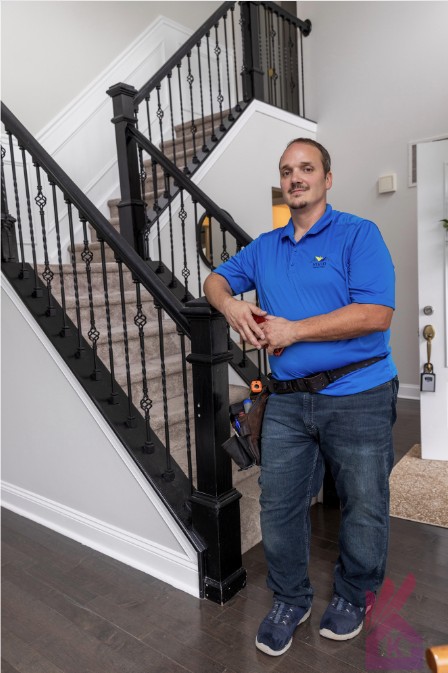
Written by Brian Maute
NJ Licensed Home Inspector & InterNACHI Certified Professional Inspector
Brian Maute provides clear explanations and high-precision inspection reports for homebuyers and owners across South Jersey and Eastern PA.