Buying a Home With Solar? 7 Things to Check Before You Close
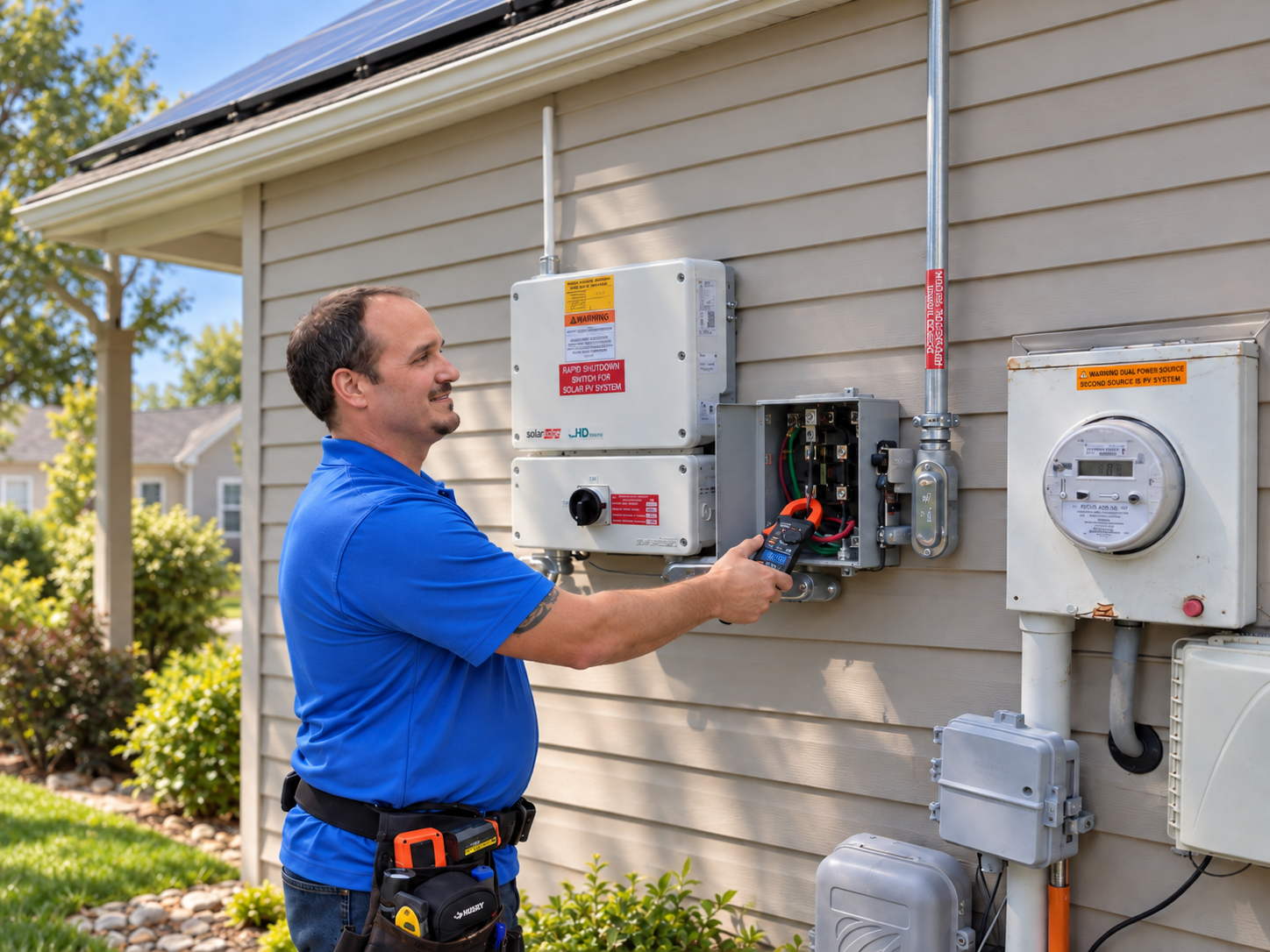
Article Summary:
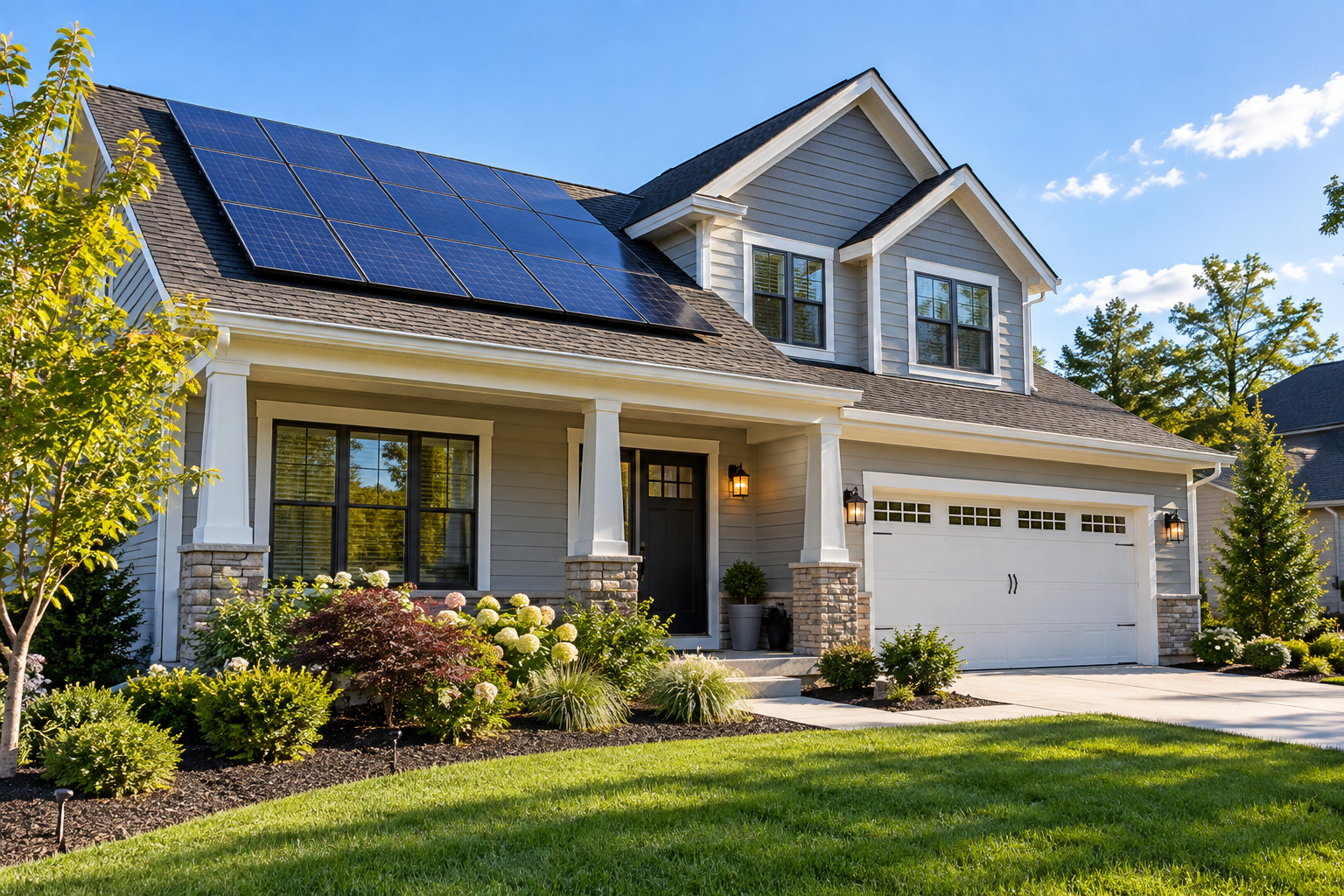
Most buyers see solar panels on a listing and think one thing: lower electric bills.Most buyers see solar panels on a listing and think one thing: lower electric bills.
What they're actually buying is a second electrical system, a set of roof penetrations, equipment with its own replacement schedule, and — depending on how it was financed — a contract that follows the house and has to be dealt with before closing.
None of that is visible from the driveway, and a standard home inspection doesn't cover it. Here's what to find out first.
1. Is the System Owned, Leased, or on a PPA?
Start here, because nothing else on this list can cost you the deal.
If the system is owned, it conveys with the house. Its condition and remaining life become your asset and eventually your replacement cost.
If it's leased or on a power purchase agreement, you're inheriting a contract. Someone has to decide whether it gets prepaid, bought out, or assumed by you — and that decision involves your escrow officer, your loan officer, and possibly your ability to qualify for the mortgage. There may also be a UCC filing against the property that has to be cleared before closing.
This is the item that stalls transactions. Start it during escrow, not the week of closing.
Your inspector evaluates the physical system. Questions about loans, leases, PPAs, tax credits, and contract transfers go to the seller, the solar provider, your lender, and your attorney.
2. Your Solar Probably Won't Keep the Lights On
This one surprises almost everyone.
A grid-tied solar system without properly configured battery backup shuts down when utility power goes out. It's a safety feature — it prevents the system from energizing lines that utility crews are working on — but it means the panels on your roof do nothing for you during the exact storm you were counting on them for.
Some systems have battery storage. Most don't. Find out which one you're buying, because the assumption that "solar means we keep power" is one of the most common misunderstandings in a solar home purchase.
3. How Old Is the Equipment — and Which Parts Age First?
The age of the house tells you nothing about the age of the system.
More importantly, panels and inverters don't age at the same rate. Panels frequently carry 25-year warranties and often outlast them. Inverters are typically the first significant replacement, and that replacement runs into the thousands.
So "the solar is six years old" isn't the useful answer. The useful answer separates the two: how many years of expected service are left in the panels, and how many are left in the inverter. A buyer can easily inherit panels with two decades of life remaining and an inverter that needs replacing in three years.
Our solar reports estimate remaining life for panels and inverters separately, along with installation date, system size, panel count, equipment type, and remaining warranty coverage.
4. What Is the System Actually Expected to Produce?
"The house has solar" tells you nothing about what the solar does.
System size, panel count, and orientation determine output. A south-facing array produces considerably more than a north-facing one, and plenty of homes have both. Shading, equipment condition, and system design all factor in.
A solar inspection gives you expected monthly and annual production in kWh, panel orientation and how well it's optimized, inverter details, breaker sizing, and whether monitoring equipment is installed and accessible.
These are modeled figures based on system specifications — not a measured output test and not a guarantee of future savings. But they're a far better basis for planning than a seller's recollection of last summer's electric bill.
5. Small Installation Details With Long-Term Consequences
Solar equipment lives outdoors, exposed to weather, sun, and temperature swings that interior wiring never sees.
On a recent inspection, we found solar wiring resting directly on the roof surface beneath the panels. It's a minor-looking condition with a real consequence: wires in constant contact with roofing wear the shingles beneath them and are themselves more vulnerable to damage and deterioration. We recommended securing the wiring to protect both the roof and the system.
That's the kind of thing no buyer notices at a showing and no listing agent mentions. Others in the same category:
Loose or missing panel clamps
Missing or damaged safety labeling on breakers, conduit, and the exterior panel
Fire code setback violations
Missing pest proofing, which turns the space under an array into a nesting site
Broken panel glass
Damaged wiring or deteriorated equipment
6. Nobody Can See the Roof Under the Panels
This is worth understanding before you buy, not after.
An inspector evaluates visible roofing, the mounting hardware, and observable penetrations. The roof surface concealed beneath the array can't be fully evaluated without removing panels, and no home inspection includes that.
Which makes the timeline the important question:
When was the roof installed?
When was the solar installed?
Was the roof replaced before or after the panels went up?
Does installation documentation exist?
When the roof eventually needs replacing, who removes and reinstalls the panels, and at whose cost?
A ten-year-old roof under a two-year-old array is a problem waiting on a schedule. Removing and reinstalling a solar array for a roof replacement is a real expense, and it's worth knowing about before you own it rather than the year it comes due.
7. Get the Paperwork Before Closing
The physical system and the documentation attached to it are two separate issues, and buyers routinely handle the first while forgetting the second.
Collect before you close:
Solar lease or PPA agreement
Installation agreement
Panel and inverter warranties
Battery warranty, if applicable
Utility net-metering agreement
Solar monitoring login credentials
Set up monitoring access and transfer the net-metering agreement into your name as part of the ownership change. Chasing a previous owner for a monitoring password six months later is a miserable way to spend an afternoon.
What a Solar Inspection Doesn't Do
Worth being direct about the limits.
A solar inspection is a visual, non-invasive evaluation of accessible components. It does not include disassembly, diagnostic testing, load analysis, activation of shut-down systems, or engineering analysis. It does not performance-test the system or verify future energy savings, and it does not review financing, lease, or contract obligations.
Estimates involving age, remaining life, production, savings, and warranty status are based on system specifications, available documentation, and standard assumptions. They're planning figures, not guarantees.
The purpose is to replace assumptions with information.
When It's Worth Ordering
A solar inspection earns its cost when:
The seller can't tell you much about the system
The panels have been up for several years
You don't know the system's age or who installed it
The home has battery storage
The system is leased or on a PPA
You simply want documentation of what you're inheriting
For most buyers, solar is a significant enough part of the purchase to deserve more than a look from the ground.
Solar inspections start at $200 when added to a home inspection. Pricing is subject to change based on the property, system, accessibility, and inspection requirements.
Schedule your inspection online or call Vivid Home Inspections at (609) 277-0808.
Serving homebuyers throughout Cherry Hill and South Jersey, including Camden, Burlington, and Gloucester Counties.
Vivid Home Inspections — Protecting Your Home, Health, and Investment.
Written by Brian Maute
NJ Licensed Home Inspector & InterNACHI Certified Professional Inspector
Brian Maute provides clear explanations and high-precision inspection reports for homebuyers and owners across South Jersey and Eastern PA.